


Related News



.jpg)
.jpg)

.jpg)


.jpg)
By Sara Odendahl, CEO, Bend Chamber of Commerce
As we enter 2026, businesses in Bend and Central Oregon are navigating a landscape defined by both promise and complexity. Our region continues to attract talent, investment, and entrepreneurial energy. The Bend Redmond metropolitan area continues to be one of Oregon’s strongest-performing economies and ranks among the nation’s top small cities. In the Milken Institute’s 2025 Best-Performing Cities report, Bend Redmond placed fourth, reflecting strong wage growth and expansion in the high-tech sector. At the same time, employers face real challenges that require thoughtful leadership, coordinated action, and sound public policy.
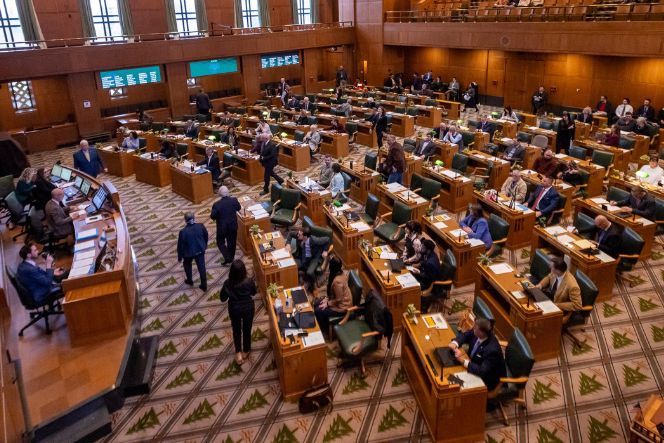
One of the most important factors shaping business decisions is Oregon’s overall business climate. Employers are paying close attention to legislative and regulatory choices that affect costs, compliance, and long-term certainty. Policies that support economic growth, encourage investment, and recognize the realities of operating a business are essential. Governor Kotek’s creation of a Prosperity Council and the hiring of Central Oregon native and former State Senator Tim Knopp as Chief Prosperity Officer signal meaningful progress. However, there is still work to be done to improve Oregon’s reputation and business climate ranking among peer states. The Bend Chamber remains focused on representing our region’s interests and advocating for balanced, practical solutions that allow businesses to plan with confidence.
The high cost of living continues to be a defining issue for our workforce and our economy. Housing affordability remains a top concern, alongside rising costs for health care, childcare, and basic consumer needs. These pressures affect employees’ quality of life and directly impact employers’ ability to recruit and retain talent. Addressing affordability requires sustained collaboration among businesses, nonprofits, and government partners, with strategies that reflect local conditions and long-term needs.
Economic uncertainty also influences how businesses approach growth. Interest rates, construction and leasing costs, labor availability, and supply chain stability all play a role in expansion decisions. Some companies are moving forward with new investments, while others are taking a more cautious approach. Flexibility and careful planning are increasingly important as businesses adapt to changing market conditions.
Climate change is another factor shaping the future of our regional economy. Wildfire risk, water availability, extreme weather, and infrastructure resilience all carry economic implications. These challenges affect insurance costs, workforce safety, tourism, and long-term development planning. Building resilience will require proactive thinking, shared responsibility, and a willingness to adapt. Preparing for uncertainty is now a core part of doing business in Central Oregon.
Technology and workforce trends continue to evolve as well. Employers are adjusting to new tools, changing skill requirements, and shifting employee expectations. While innovation presents opportunities for increased productivity and efficiency, it also requires ongoing investment in training and adaptation.
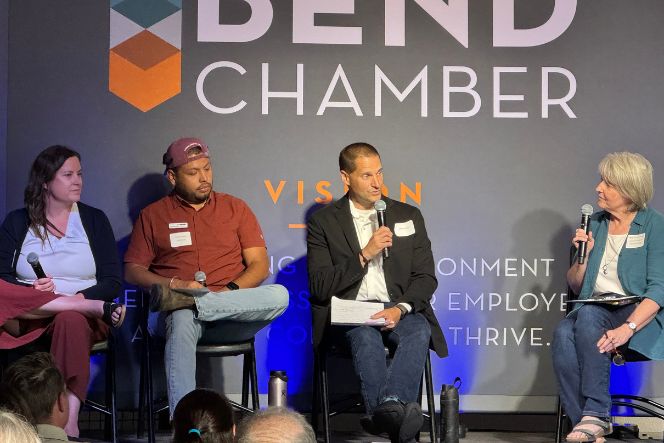
For a century, the Bend Chamber has served as a voice for business, helping employers navigate change and opportunity. As we celebrate our 100th year, we remain focused on strengthening Oregon’s business climate, advancing affordability solutions, and supporting resilience amid economic and environmental uncertainty. Looking ahead, collaboration will be key to ensuring Bend remains a place where businesses can grow, employees can thrive, and our community stays strong.
