

Related News
.jpg)
.jpg)

.jpg)


.jpg)
.jpg)
By Sara Odendahl, CEO, Bend Chamber
Legislative Days | January 13–15
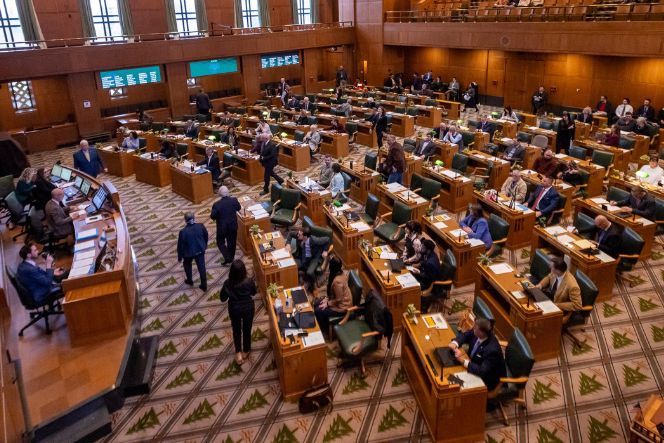
A precursor to the 2026 session is a series of committee hearings known as Legislative Days, taking place January 13–15. These hearings offer an early opportunity to preview policy concepts and proposed legislation expected to be introduced when the session begins in February.
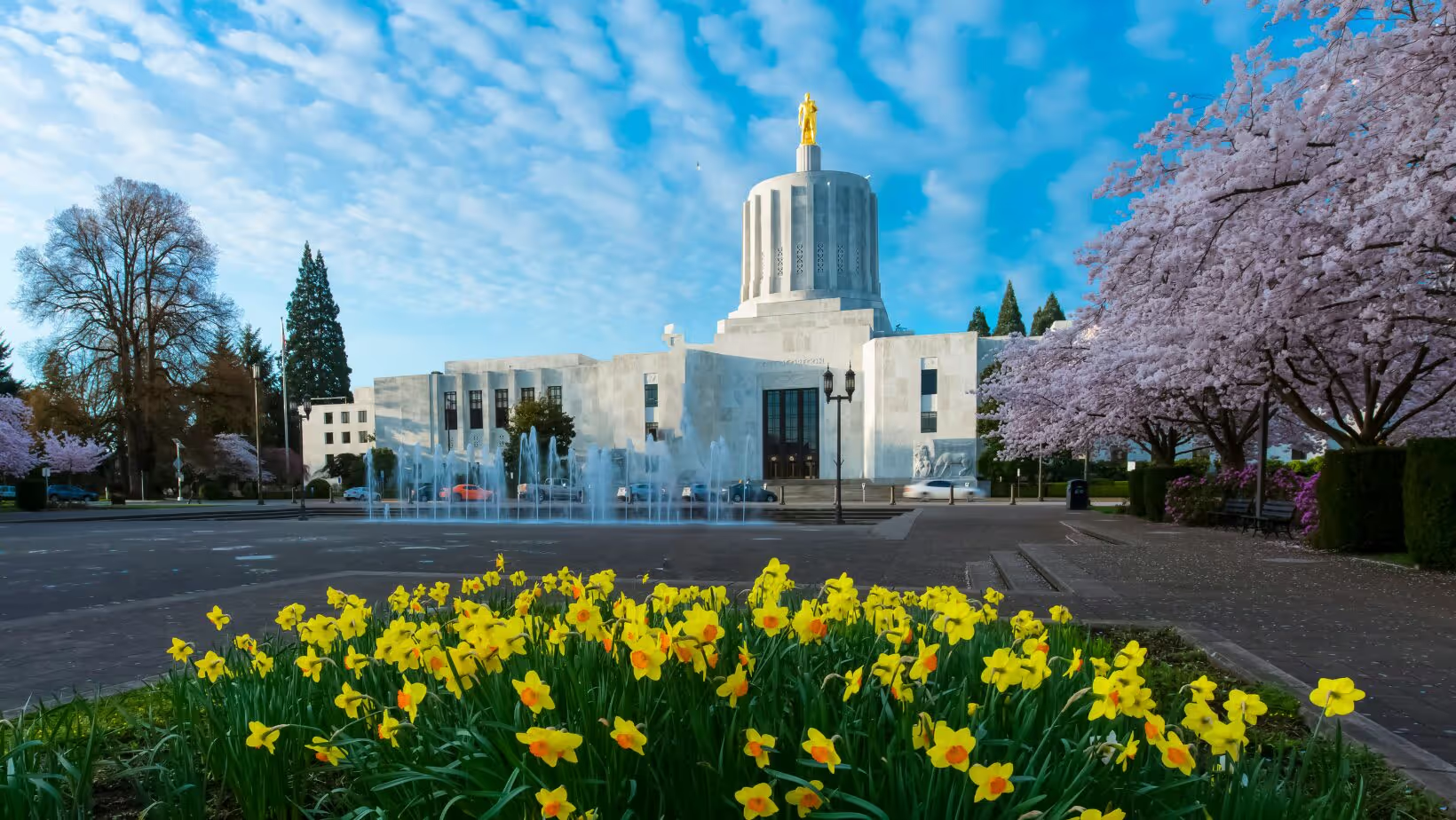
The 2026 Oregon Legislative Session will officially begin on February 2 and run for 35 days. As a short session, lawmakers will focus on a narrower set of policy issues, budget adjustments, and technical fixes ahead of the next biennium. While shorter in duration, the pace is often fast, making early awareness and engagement important for stakeholders.A key issue dominating the debate this year is the state’s revenue shortfall and associated cuts for the remainder of the FY 2025–27 budget. Lawmakers are also expected to take up transportation funding, yet again, after the pause and subsequent request to repeal legislation from 2025.
Throughout the session, the Bend Chamber will track legislation affecting the region’s business community and advocate for practical policies that support economic vitality and long-term regional resilience.
Issues We’ll Be Watching This Session
While the scope of a short session is limited, the Chamber will focus its attention on key issues impacting businesses and employers in Central Oregon, including:
Business Climate and Regulatory Policy
Proposals related to permitting, regulatory modernization, tax policy, and employer liability that may affect business predictability and operating costs.
Housing Production and Affordability
Legislation aimed at accelerating housing production, increasing flexibility in existing tools and funding, and reducing barriers that impact workforce availability.
Infrastructure and Transportation
Policy discussions and investments related to transportation funding, land use, utilities, and other infrastructure needed to support regional growth.
Education and Workforce Readiness
Proposals supporting career-connected learning, workforce training, licensing modernization, and programs aligned with employer needs.
Economic Development and Competitiveness
Last but certainly not least, bills and policy concepts related to economic development tools, regional competitiveness strategies, and recommendations from the Governor’s Prosperity Council focused on statewide economic opportunity.
Regional Collaboration
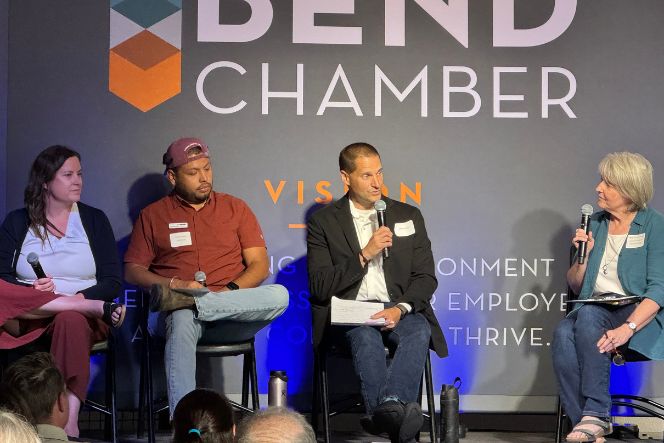
The Bend Chamber will continue working closely with the Regional Business Alliance and the Central Oregon Caucus to advance shared regional interests and ensure Central Oregon is well represented during the session. This coordination is especially important during a short session, when timelines are compressed, and decisions move quickly.
As always, we welcome input from members on legislation of interest and will provide timely updates through ENews and other communication channels as bills advance.
