

Related News

.jpg)
.jpg)
.jpg)


.jpg)

By Sara Odendahl, Bend Chamber Interim CEO
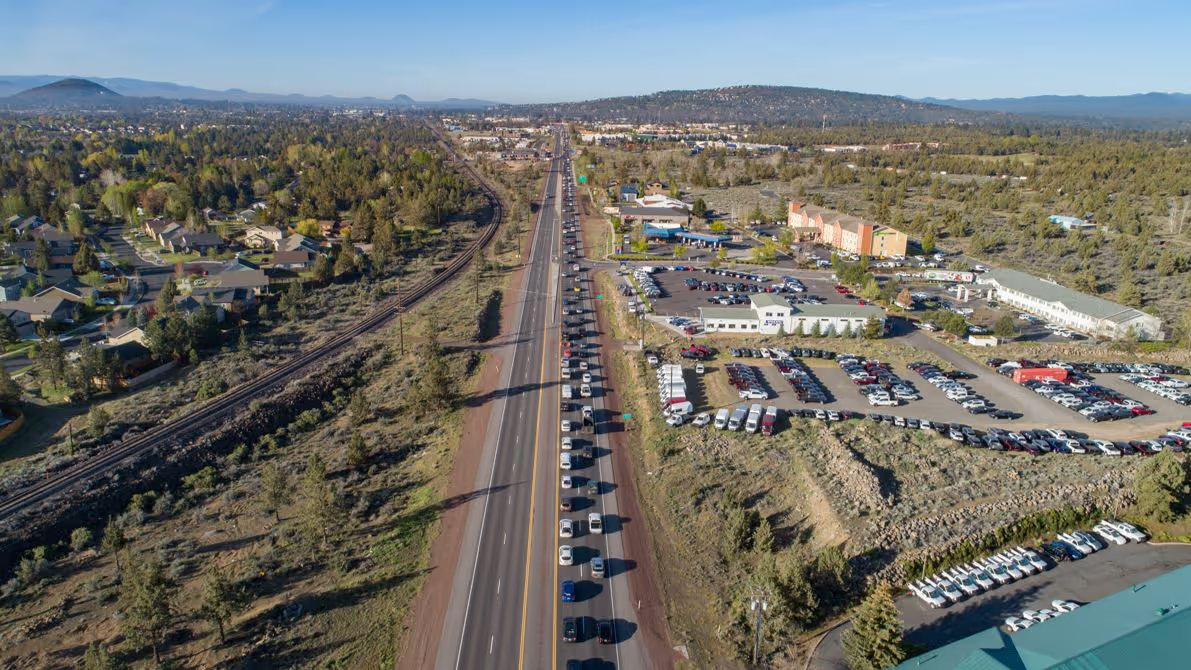
Oregon businesses depend on safe, reliable roads to move people, products, and services. Yet the state’s transportation system has been staring down a major funding crisis, and without action, Oregon Department of Transportation (ODOT) layoffs and service cuts would have hit this fall—reducing road maintenance, snow plowing, and emergency response.
That’s the backdrop for House Bill 3991, which lawmakers approved in late September after a tense and often messy Special Session. The measure raises $4.3 billion over the next decade through higher gas taxes, increased registration and title fees, and a temporary doubling of the payroll tax that funds transit.
What’s in the Package?
The bill raises about $4.3 billion over the next ten years by increasing the state gas tax, raising vehicle registration and title fees, and temporarily doubling the payroll tax that helps fund transit. That payroll tax increase will expire in 2028, due to an amendment pushed by House leadership after public pushback. Lawmakers also added new rules for electric vehicles and included stronger oversight requirements for how the Oregon Department of Transportation (ODOT) spends money.
Why this Matters
ODOT had warned that without new revenue, it would be forced to lay off hundreds of workers and cut back on critical services like snow plowing, road repairs, and emergency response. With the bill’s passage, Governor Kotek announced she is halting nearly 500 planned layoffs. That means safer travel for Oregonians this winter and more stability for our state’s transportation workforce.
How did it Play out?
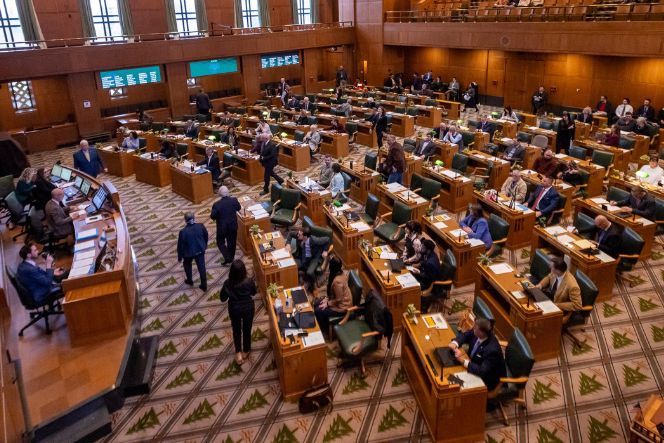
This wasn’t an easy process. The Special Session saw quorum delays, and passionate testimony from Oregonians across the state—most of whom opposed the original bill. In the end, the House narrowly passed the package, and after waiting for a senator to recover from surgery, the Senate followed suit on September 29. The Governor is expected to sign the bill into law.
Where the Chamber Stands
The Bend Chamber has long supported investment in transportation, because it’s essential for Central Oregon’s economy and quality of life. We want safe, efficient roads and reliable freight routes—not just in Central Oregon, but across the entire state.
However, we joined EDCO and others in expressing concern about asking employees to shoulder a doubled payroll tax. While we’re relieved that this tax will now sunset in 2028, we know the conversation isn’t over. Oregon will need to come back to the table with longer-term solutions that balance fairness, sustainability, and regional equity.
For now, this package buys the state time—it keeps ODOT functioning and our roads maintained. But real, lasting solutions will require creativity and continued advocacy. The Chamber will stay engaged in Salem, working to ensure Central Oregon has a strong voice in these conversations.
Click here to read our full letter to lawmakers and stay tuned for more updates as implementation begins.
