


Related News

.jpg)
.jpg)

.jpg)


.jpg)

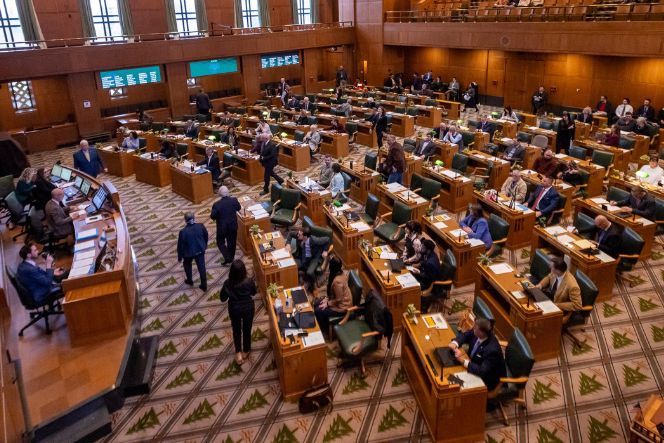
The short session moved quickly, with legislators addressing targeted policy proposals and budget adjustments. Throughout the session, the Bend Chamber monitored legislation through the lens of our five legislative priorities, which guide our advocacy work and ensure we are focused on the issues that matter most to Central Oregon employers. Despite some uncertainty at the beginning of session, our community also saw big funding wins both for our affordable housing partners via the LIFT Housing Program, as well as for OSU-Cascades and their future student health and recreation center.
Business Competitiveness and Regulatory Predictability
The bulk of the bills we tracked and engaged with this session fell into this category — they varied from recreational liability waivers (SB 1593 and SB 1517), economic development and permitting reform (SB 1586 and HB 4044), to the federal tax code disconnect (SB 1507). Governor Tina Kotek declared economic development a priority in 2026, which included the creation of the Prosperity Council and appointment of the Chief Prosperity Officer.
Workforce Availability: Housing, Healthcare, and Childcare
Workforce challenges remain one of the most significant barriers to economic growth in Central Oregon. During the session, we tracked legislation related to housing supply, healthcare access, and childcare availability — three key factors that directly influence workforce participation and business stability. While workforce issues were not a key area of focus in this legislative session, we did see these issues addressed across a variety of bills, especially pertaining to land use (HB 4037), financial tools, and agency autonomy.
Infrastructure That Enables Regional Growth
Reliable infrastructure is critical to supporting economic expansion and regional connectivity. The Chamber monitored proposals related to infrastructure investment that could support long-term growth in Central Oregon and supported the ability of other cities to utilize tools where Bend was touted as a positive example (HB 4035).
Education and Workforce Readiness
Preparing the next generation of workers is essential for maintaining a strong regional economy. We followed legislation related to education funding, workforce development programs, and partnerships that help align education pathways with employer needs.
Balanced Environmental Stewardship and Economic Vitality
Central Oregon’s economy and quality of life are deeply connected to our natural environment. The Chamber tracked policies aimed at balancing environmental protection with practical approaches that support economic development and business operations. We specifically opposed a bill that directly targeted our utility provider (SB 1553) but ultimately did not move forward.
Session in Context
The 2026 short session also included several high-profile issues beyond the Chamber’s core priorities, reflecting broader statewide concerns. Lawmakers focused on budget and affordability measures, debated transportation funding through proposals such as HB 4132, and advanced policy discussions in areas like healthcare system oversight (HB 4133) and immigration policy (SB 1572). Together with the legislation previously mentioned, these issues underscore the complexity of Oregon’s policy landscape and set the stage for more comprehensive debates in the 2027 long session.
How We Track Legislation
During a legislative session, hundreds of bills can be introduced and move quickly through the process. The Bend Chamber works with statewide partners, policy experts, and chamber networks to identify the legislation most relevant to our members.
Throughout the 2026 short session, we tracked legislation through:
- BillTracker, our legislative monitoring tool that helps identify and follow bills, run reports, and collaborate with local partners.
- Direct engagement with legislators and staff to understand bill intent and potential impacts.
- Coordination with statewide business organizations, including Oregon Business and Industry (OBI), and regional chambers.
- Observation of committee hearings and engagement via testimony, oral and written, on priority legislation.
This approach allows the Chamber to quickly identify opportunities to support policies that benefit our economy and respond when proposals could negatively impact local employers.
The Role of the Advocacy Council
The Bend Chamber’s Advocacy Council plays a critical role in shaping our policy priorities and guiding our advocacy efforts.
This group of engaged business and community leaders:
- Reviews priority legislation during session
- Provides insight into how policy proposals affect employers locally
- Helps inform the Chamber’s policy positions
- Supports communication with policymakers and regional partners
Their expertise ensures that the Chamber’s advocacy reflects the real-world experiences of businesses operating in Central Oregon.
Looking Ahead
While the legislative session concluded on March 6, advocacy work at the state level continues year-round. The Bend Chamber remains engaged with policymakers, regional partners, and business leaders to advance policies that support economic vitality in our region.
Future editions of Advocacy in Action will highlight policy developments, advocacy initiatives, and opportunities for members to stay informed and engaged at the local, state, and federal levels.
Together, we can ensure Central Oregon’s business community continues to have a strong voice in the policies that shape our future.
