


Related News











.png)

Practical steps to strengthen your financial resilience before a wildfire or other natural disaster
by Mary Lago, CFP®, CTFA, Ferguson Wellman Capital Management
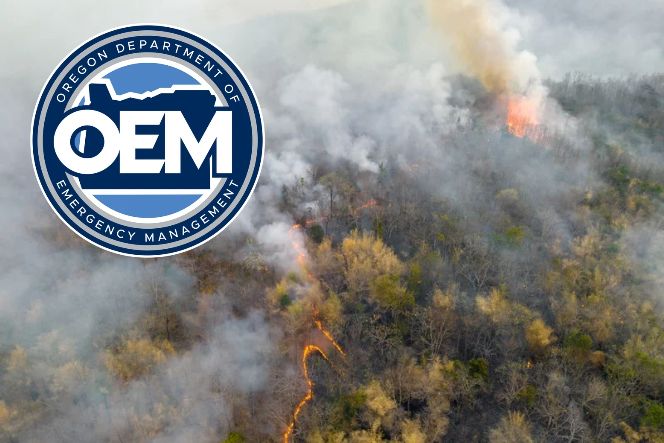
Wildfire season has become an annual reality for many Oregonians. This year alone, more than 2 million acres have burned across the state, with communities facing evacuations, highway closures, and hazardous smoke. Recent wildfires in our area and throughout the Northwest remind us how quickly conditions can change and how little time families may have to protect themselves, their homes and their financial records.
As a financial professional, I have worked with families recovering from devastating losses, but it is personal experience that has most informed my views on disaster preparedness. My mother lost her home in the 2018 Camp Fire in Paradise, California. She narrowly escaped, but her home, valuables and many treasured memories were gone. Her experience was not unique, and the losses of family and friends really reinforced that financial preparedness begins long before an emergency. Rather than feeling helpless, begin with the following steps to reduce anxiety and the financial damage from unexpected disasters:
Review your homeowner's insurance with your licensed insurance agent yearly.
Confirm that your dwelling limit reflects today's cost to rebuild, including renovations, inflated building cost following disasters, and updated building code requirements. Understand whether your personal property is covered at replacement cost, which is the cost to replace an item today or actual cash value, which may result in a much smaller reimbursement. Also review loss-of-use coverage, which helps pay for temporary housing and additional living expenses when a home is uninhabitable.
Document what you own.
Walk through your home with your phone and record each room, opening closets, cabinets and storage areas. Photograph valuable items and retain receipts, appraisals and serial numbers when available. Cash, jewelry, art, collectibles, wine and other high-value property may require separate scheduled coverage. Store the inventory in a secure cloud account or another offsite location so it can be accessed even if your home is lost in a disaster.
Digitize important documents and store offsite.
Apply the same secure digitization and offsite storage approach to important records and family photographs. Key documents typically include deeds, titles, business agreements, insurance policies, estate planning documents, and recent tax returns. A home safe may provide some protection, but perhaps less than expected, so offsite records are critical.
Maintain an emergency fund for unexpected expenses.
Financial resilience also requires liquidity. Insurance proceeds often take weeks or months to arrive, while expenses begin immediately. Maintaining three to six months of living expenses in a readily accessible savings or money market account provides flexibility to pay for temporary housing, transportation, and other unexpected costs without disrupting your long-term investment strategy. A reserve fund can also help if a disaster interrupts employment or business operations.
Develop a family emergency plan.
Finally, develop a family emergency plan and focus on personal safety. Register for emergency alerts, identify evacuation routes, establish a family meeting location, plan for medications and pets, and keep chargers and essential supplies ready to go.
While we cannot prevent all wildfires, floods, earthquakes, or severe storms, we can prepare for them. An annual insurance review, a current home inventory, secure digital records, adequate emergency savings, and a well-practiced evacuation plan can significantly reduce the financial and emotional burden of recovering from a disaster. The time to prepare is before the smoke appears on the horizon.
Important: This article is for general educational purposes and is not insurance, tax or legal advice. Insurance terms and coverage vary based on individual circumstances. Review your specific policy with a qualified insurance professional.
